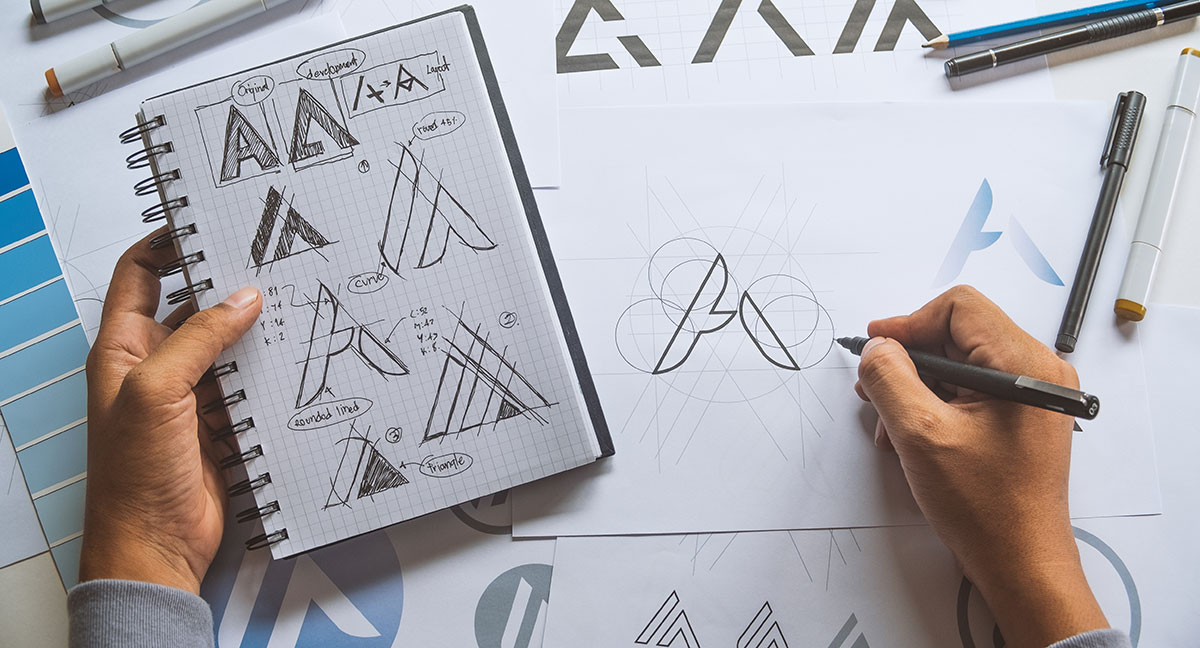
As a graphic designer, I have found that creativity does not flourish solely from inspiration or talent. It thrives when paired with intentional routines and mindful practices. Over the years, I have learned that balancing creative work with structured habits allows me to stay focused, energized, and innovative. Mindfulness, self-reflection, and time spent in nature have become essential tools in my design process, helping me create work that is thoughtful, intentional, and inspired.
The Importance of Routine
Routine might sound contrary to creativity, but it actually supports it. Having a daily structure allows me to dedicate focused time to design tasks while also making room for reflection and exploration. By setting aside specific hours for sketching, brainstorming, or working on client projects, I can approach my work with clarity and intention.
Routine does not mean rigidity. It provides a framework within which creativity can flourish. Knowing that I have dedicated time for focused work reduces stress and mental clutter, allowing me to be more present and engaged when I tackle design challenges. It also frees up mental space for new ideas, because I am not constantly worrying about how to structure my day.
Mindfulness as a Creative Tool
Mindfulness has been a game-changer in my approach to design. Practicing mindfulness means paying attention to the present moment without judgment. This can include meditation, mindful breathing, or simply taking a quiet moment to observe my surroundings.
Engaging in mindfulness exercises helps me slow down and notice details that I might otherwise overlook. It sharpens my awareness of color, composition, and balance, and it also helps me tune into the emotional impact of my designs. Mindfulness encourages me to make deliberate choices rather than rushing through a project, which ultimately results in work that is more cohesive and meaningful.
Inspiration Through Nature
Spending time outdoors has also been integral to maintaining balance in my creative work. Activities such as kayaking, paddleboarding, or tending to my garden allow me to step away from screens and immerse myself in natural rhythms. Nature provides lessons in texture, color, pattern, and movement, all of which inform my design work.
Observing natural elements teaches patience and attention to detail. Watching leaves sway in the wind or waves ripple across the water reminds me that small changes can have a significant impact. These observations translate into my designs, where subtle adjustments in layout, spacing, or color can create a more polished and engaging result.
Incorporating Mindful Breaks
Another mindful practice that has improved my work is taking intentional breaks. Stepping away from a project for a short walk or a few moments of quiet reflection allows my mind to reset and process ideas subconsciously. Often, solutions to design challenges emerge during these breaks, when I am not actively thinking about the problem.
These pauses also prevent burnout. Creativity cannot be sustained if I am constantly pushing without rest. By incorporating mindful breaks into my routine, I maintain mental clarity, focus, and motivation. This balance between work and reflection ensures that my designs remain inspired and well-executed.
Observation and Reflection
Mindfulness encourages observation and reflection, which are essential for any designer. Observing how people interact with spaces, noticing patterns in the environment, or reflecting on personal experiences provides rich material for visual storytelling. Mindful reflection allows me to analyze what works and what does not, both in my designs and in my creative approach.
Keeping a sketchbook or journal is one way I practice this reflection. Recording observations, ideas, and inspirations allows me to return to them later when working on projects. This habit strengthens my creative process, ensuring that my work is informed, intentional, and rooted in real-world experiences.
Creativity as a Balanced Practice
Balancing creativity and routine is not just about time management. It is about cultivating a mindset that values focus, reflection, and intentionality alongside exploration and experimentation. By integrating mindful practices into my daily life, I am able to approach design work with both discipline and freedom.
Routine provides structure, mindfulness offers clarity, and nature brings inspiration. Together, these elements create an environment in which creativity can thrive. This balance allows me to produce work that is both visually engaging and meaningful, while also maintaining my own well-being and mental energy.
Conclusion
Design is as much about the process as it is about the final product. Balancing creativity with routine and mindful practices ensures that the process remains productive, intentional, and fulfilling. By dedicating time to focused work, practicing mindfulness, and seeking inspiration from the natural world, I am able to create designs that resonate on both visual and emotional levels.
Mindful routines help me stay present, notice details, and approach each project thoughtfully. They encourage experimentation while providing a stable foundation for creativity to flourish. Ultimately, balancing creativity and routine allows me to produce work that is not only effective and engaging but also reflective of my personal vision and experience.
Every designer can benefit from incorporating these practices. By observing, reflecting, and creating within a balanced framework, it is possible to elevate both the quality of the work and the experience of the designer. Mindful practices do not limit creativity; they enhance it, ensuring that inspiration is nurtured, ideas are refined, and designs continue to grow in richness and impact.